Holiday Safety Tips for Dogs: Keep Your Pup Merry (and Out of Trouble) This Season
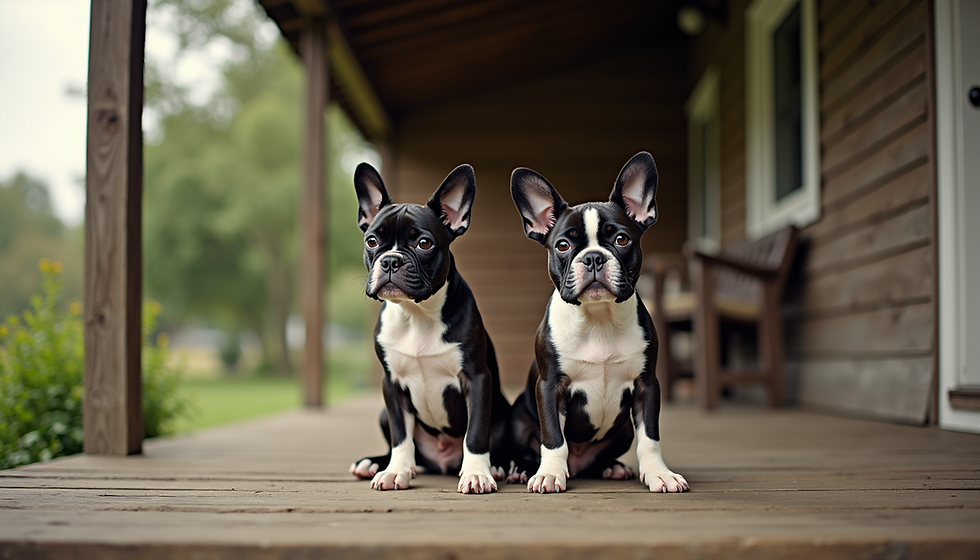
The holidays are here, which means my house has officially transformed into a chaotic winter wonderland that Tilly and Tater think was designed specifically for their entertainment. Last week, I caught Tilly trying to "help" me decorate by stealing every ornament I hung below the three-foot mark. Meanwhile, Tater has decided that tinsel is the world's most expensive chew toy.
Living in rural Maine with two curious pups has taught me that holiday safety isn't just about keeping them away from chocolate (though that's definitely important). It's about creating a pup-proof fortress while still maintaining some semblance of holiday magic. Here's everything I've learned the hard way about keeping your dogs safe during the most wonderful, and dangerous, time of the year.

The Food Fight: What's Off-Limits This Holiday Season
Let's start with the obvious one: not all holiday treats are created equal. Last Thanksgiving, my neighbor's dog ended up at the emergency vet after snagging a chocolate brownie off the counter. That $800 vet bill was definitely not on anyone's holiday wishlist.
Chocolate tops the naughty list for obvious reasons, the darker it is, the more dangerous it becomes. But here's what surprised me: cooked bones are actually more dangerous than raw ones because they splinter and can cause internal injuries. So that leftover turkey bone? It goes straight in the trash, not to your pup.
The real sneaky danger is what vets call "multiple-meal syndrome." Picture this: Aunt Susan slips Tilly a dinner roll, Uncle Mike shares some mashed potatoes, and little cousin Emma drops half her pie on the floor. Before you know it, your dog has eaten three meals' worth of rich, fatty foods that their stomach definitely wasn't prepared for.
My solution? Designate yourself as the official food police during gatherings. I literally announce to guests that Tilly and Tater are on a "special holiday diet" (which sounds way fancier than "please don't give my dogs your leftovers because I can't afford another emergency vet visit").
Keep uncooked bread dough away from curious noses too. In your dog's warm stomach, that dough keeps rising and can cause a complete intestinal blockage. Tater learned this lesson when he counter-surfed some pizza dough I was letting rise, thankfully, I caught him before he swallowed any.
Instead of sharing your holiday feast, stick to dog-safe treats like carrots, apple slices, or their regular training treats. Trust me, they'll be just as happy with a plain old biscuit when everyone else is getting treats.
Decoration Disasters: Making Your Winter Wonderland Pup-Proof
Remember when I said Tilly thinks ornaments are personally designed for her entertainment? Well, she's not entirely wrong: they're shiny, dangly, and make delightful sounds when they hit the floor. But here's the thing: broken glass and dog paws don't mix.
Secure your tree like you're expecting a hurricane. I learned this after Tiler knocked over our six-foot tree while chasing Tilly around the living room. Now I anchor it to the wall with fishing line: nearly invisible but strong enough to withstand two Frenchtons having a wrestling match underneath it.
Keep ornaments above tail height: roughly three feet up if you've got medium-sized dogs. Everything below that is fair game in their minds. I've accepted that the bottom third of my tree looks a little sparse, but at least I'm not finding ornament shards in my vacuum cleaner every morning.
Here's something I didn't know until my vet mentioned it: tree water can be toxic. If your tree has been treated with fertilizers or preservatives, that water bowl becomes a chemical cocktail that can cause serious stomach issues. I bought a tree skirt that completely covers the water basin: problem solved.
Tinsel is basically shiny death ribbon for dogs. It might look festive, but if your pup swallows it, it can cause intestinal blockages that require surgery. After Tater showed interest in our tinsel last year, I switched to ribbon bows and felt way better about it.
Don't forget about electrical cords and wires. Dogs love to chew, and holiday lights provide plenty of tempting targets. I run all my light cords behind furniture or through protective tubing. It takes an extra few minutes to set up, but it's way better than dealing with electrical burns.
Cold Weather Chaos: Winter Safety Beyond the House
Living in Maine means our holiday dangers extend well beyond the living room. Antifreeze becomes a major concern once temperatures drop and holiday guests start arriving in cars that might have small leaks.
Antifreeze has a sweet taste that attracts dogs, but even tiny amounts can be lethal. I check my driveway regularly for any puddles or stains, especially after guests have visited. If you suspect your dog has licked antifreeze: even off their paws after walking through a puddle: get to your vet immediately.
Holiday escapes are extra dangerous in winter. With all the door-opening for guests, there's a higher chance your dog might slip out. A lost dog in December in Maine faces hypothermia risks that they wouldn't in summer. Both Tilly and Tater wear collars with updated ID tags, and their microchip information includes my cell phone, landline, and my mom's number as backup.
I've started putting both dogs in their crates when guests first arrive. It sounds mean, but it prevents door-dashing and gives them a chance to settle down from the excitement before meeting everyone.
Managing the Holiday Madness: Stress-Free Strategies
Dogs thrive on routine, but holidays basically blow routine out the window. Tilly gets anxious when her dinner is late, and Tater starts destructive chewing when his morning walk gets skipped. During busy holiday prep, it's easy to forget that your dog still needs their normal schedule.
I've learned to maintain feeding and exercise times no matter what's happening. Even if I'm frantically cooking for twelve people, the dogs still get their morning walk and meals at the same time. It's non-negotiable because a stressed dog is more likely to get into trouble.
Create a safe space before you need it. I set up a quiet room with their beds, favorite toys, fresh water, and some puzzle feeders. When the chaos gets too much: or when I need to focus on cooking without tripping over two dogs: they go to their "quiet room." I practiced this setup during normal days so they'd be comfortable with it during actual parties.
Communicate with your guests ahead of time. I send a quick text letting people know we have dogs and asking about any allergies or fears. Some people are terrified of dogs, and it's better to know that before they arrive so I can manage the situation appropriately.
If your dog gets anxious around new people, stick to their normal comfort strategies. Tilly responds well to extra cuddles and having her favorite blanket nearby. Tater needs more exercise before guests arrive to burn off nervous energy.
Emergency Preparedness: Because Stuff Happens
No matter how well you prepare, accidents can happen. Keep your emergency vet's contact information handy, especially during holiday weekends when your regular vet might be closed.
I keep a basic pet first-aid kit that includes hydrogen peroxide (for induced vomiting if recommended by a vet), gauze, and thermometer. But here's the crucial part: call your vet before giving your dog anything. What helps in one situation might make another situation worse.
Know the signs of common holiday emergencies: excessive drooling, vomiting, diarrhea, difficulty breathing, lethargy, or unusual behavior. When in doubt, call your vet. That phone call might save your dog's life and your bank account.
Take photos of potential hazards throughout your house before guests arrive. If something goes wrong, you'll be able to tell your vet exactly what your dog might have gotten into.
The Bottom Line: Holiday Safety Made Simple
The holidays don't have to be stressful for you or your dogs. With a little planning and some common-sense precautions, everyone can enjoy the season safely.
Focus on the big risks: toxic foods, dangerous decorations, escape opportunities, and stress management. You don't need to bubble-wrap your entire house, but addressing these main concerns will prevent most holiday disasters.
Remember, your dog doesn't care if your decorations are Instagram-worthy. They care about routine, safety, and spending time with their favorite humans. A slightly less decorated tree and a few extra safety measures are small prices to pay for keeping your pup healthy and happy.
This year, Tilly and Tater are getting new puzzle toys for Christmas and plenty of their favorite training treats. They'll probably still try to steal ornaments and investigate every bag that comes through the door, but at least I'll be ready for them.
After all, the best holiday gift you can give your dog is keeping them safe enough to celebrate many more holidays with you.
Comments