Is Your Dog Actually Anxious or Just Being a Drama Queen? Here's How to Tell the Difference
We've all been there. Your dog acts like the world is ending because you moved their food bowl three inches to the left, or they give you the most pitiful look when you leave for work like you're abandoning them forever. But when does normal dog dramatics cross the line into genuine anxiety that needs attention?
As dog parents, it's tough to know when our pups are genuinely struggling versus just being their naturally expressive selves. The difference matters because real anxiety can seriously impact your dog's quality of life and needs proper treatment, while drama queen behavior might just need some training tweaks.
The Real Difference: Chronic vs. Occasional
Here's the thing that separates anxious dogs from dramatic ones: timing and consistency.
Normal stress responses are your dog's healthy way of dealing with specific situations. They might pant at the vet, hide during thunderstorms, or get excited when strangers visit. But once the situation passes, they bounce back to their regular selves pretty quickly.
Genuine anxiety, though, is like that friend who can't stop worrying about everything. It doesn't just turn off when the "scary" thing goes away. Anxious dogs stay in a heightened state of stress even after the trigger is long gone, and their concerning behaviors become part of their daily routine.
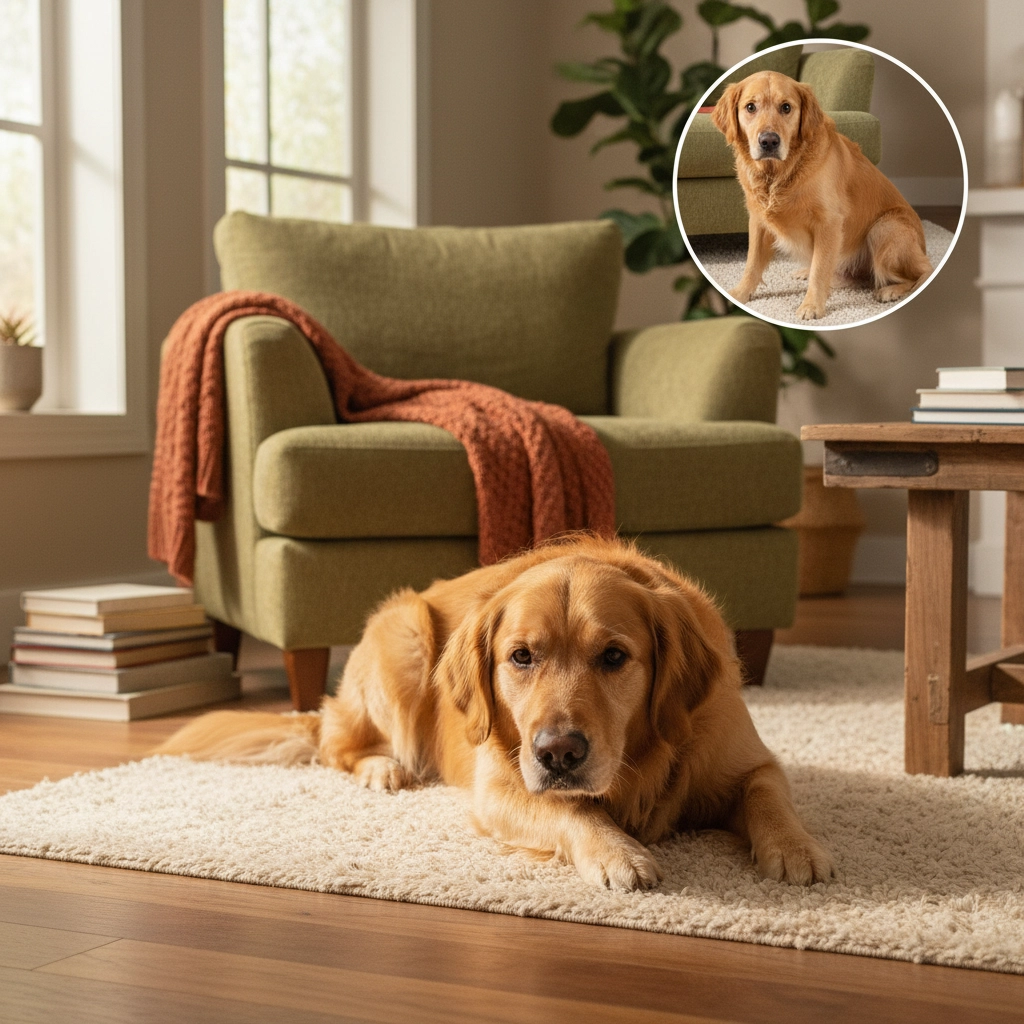
Think of it this way: if your dog only acts dramatic when something specific happens (like you pulling out the vacuum cleaner), that's probably normal stress. But if they're showing concerning behaviors multiple times a week for no clear reason, or if they can't seem to relax even in familiar situations, that's when anxiety becomes a real concern.
Physical Signs That Don't Lie
Your dog can't fake certain physical responses, which makes them great indicators of genuine anxiety versus attention-seeking behavior.
Real anxiety often includes these involuntary physical signs:
Trembling or shaking when there's no obvious trigger
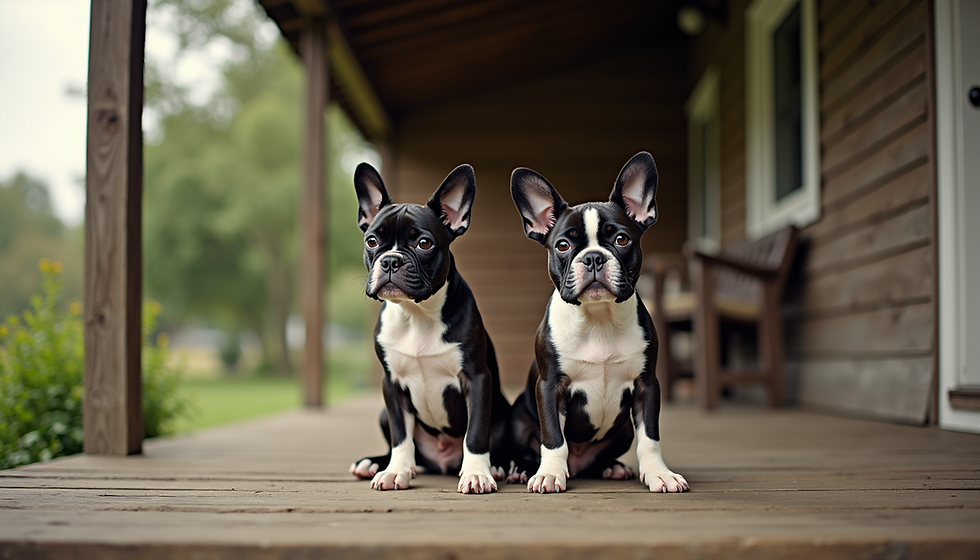
Excessive drooling (and we're talking more than normal Frenchton slobber)
Dilated pupils that stay wide even in normal lighting
Changes in appetite - either eating way more or refusing food entirely
Restless panting when they haven't been exercising
Drama queen behaviors tend to be more about body language and vocal expressions:
Exaggerated sighing when they don't get their way
Strategic positioning (like dramatically flopping in doorways)
Selective hearing when it comes to commands they don't want to follow
Over-the-top excitement or disappointment that matches the situation
The key difference? Anxious dogs can't control their physical stress responses, while dramatic dogs are usually pretty strategic about when and where they put on their show.
The Anxiety Spectrum: Mild to Severe
Not all anxiety looks the same, and understanding the different levels can help you figure out what you're dealing with.
Mild anxiety might include:
Lip licking when nothing tasty is around
Yawning when they're not tired
Avoiding eye contact in certain situations
Subtle body language like lowered head or ears
Moderate anxiety steps it up with:
Ears pinned back consistently
Panting without exercise or heat
Refusing treats they normally love
Restless behavior like pacing or inability to settle
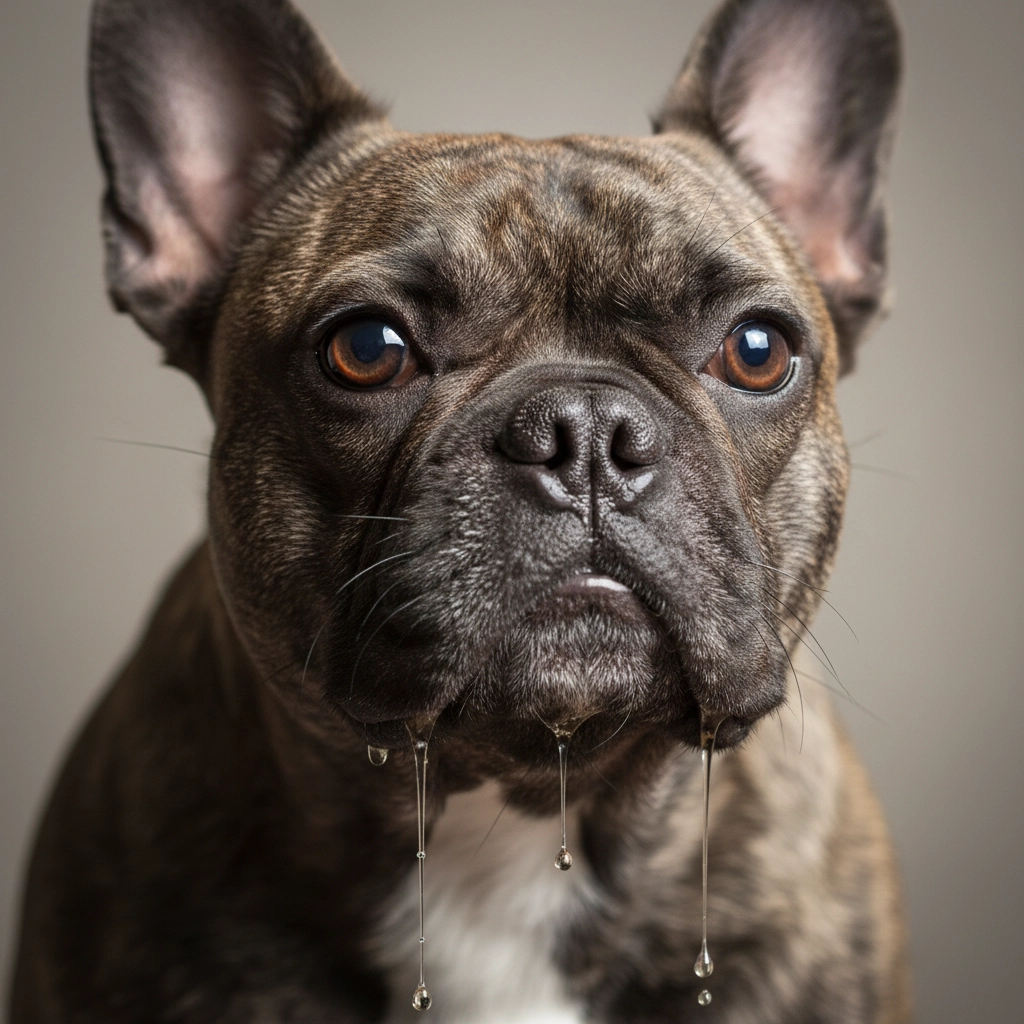
Severe anxiety is hard to miss:
Tail tucked under consistently
Trying to hide or escape even from familiar situations
Visible trembling
Showing teeth or other defensive behaviors
Complete shutdown or inability to function normally
A dramatic dog might show one or two of these signs occasionally, but anxious dogs typically display multiple signs that match their anxiety level consistently.
Behavioral Red Flags vs. Normal Drama
Some behaviors are clear indicators that your dog is dealing with genuine anxiety rather than just being their usual dramatic self.
Genuine anxiety behaviors include:
Destructive behavior that happens even when you're home
House accidents despite being fully housetrained
Repetitive behaviors like spinning, tail-chasing, or obsessive licking
Barking or whining that continues long after the trigger is gone
Loss of interest in activities they used to enjoy
Aggression that's out of character for your dog
Normal dramatic behaviors look more like:
Acting out only when they want attention
"Selective" memory about rules when it's convenient
Exaggerated reactions that match the situation (big reaction to big changes, small reaction to minor things)
Quick recovery once they get what they want or the situation changes
Behaviors that mainly happen when you're watching
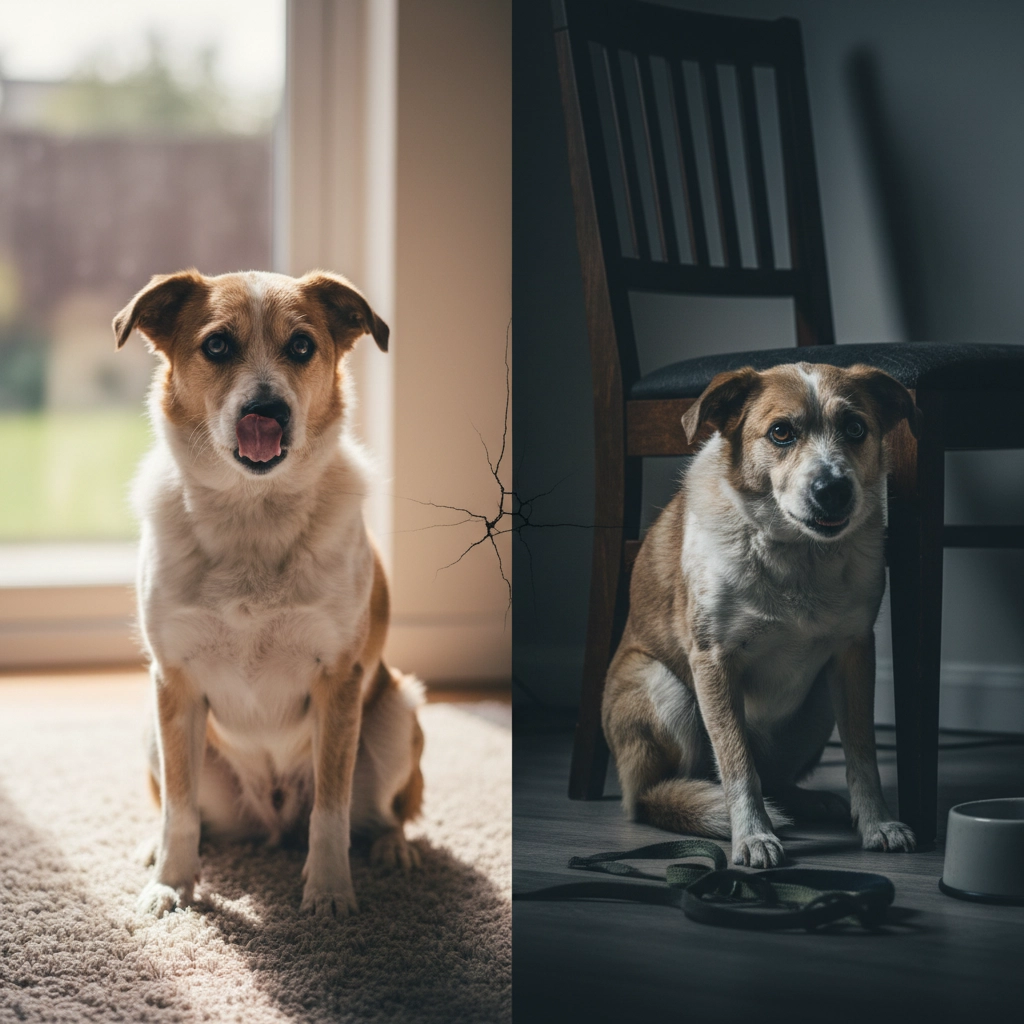
The biggest telltale sign? Anxious dogs often continue their concerning behaviors even when no one is around to witness their "performance," while drama queens tend to dial it up when they have an audience.
When Normal Stress Becomes a Problem
Every dog experiences stress sometimes – that's completely normal and healthy. The problem starts when that stress response gets stuck in the "on" position.
Normal stress helps dogs react appropriately to real threats or changes in their environment. They might be nervous about new places, cautious around unfamiliar dogs, or excited about routine changes. These reactions make sense and help keep them safe.
But anxiety is like a broken alarm system that keeps going off even when there's no real danger. Instead of helping your dog respond to genuine threats, it starts interfering with their ability to enjoy normal activities and situations.
You'll know it's crossed into problematic territory when:
The behaviors are happening multiple times per week
They're getting worse instead of better with time
Your dog can't seem to relax even in their favorite spots
The anxiety is affecting their eating, sleeping, or bathroom habits
It's impacting your family's quality of life too
Environmental vs. Behavioral Causes
Sometimes what looks like anxiety is actually your dog responding normally to a genuinely stressful environment or routine.
Before assuming your dog has an anxiety disorder, consider whether there might be legitimate reasons for their stress:
Major changes in routine or living situation
New pets or family members
Inconsistent training or mixed signals
Not enough physical exercise or mental stimulation
Medical issues that are causing discomfort
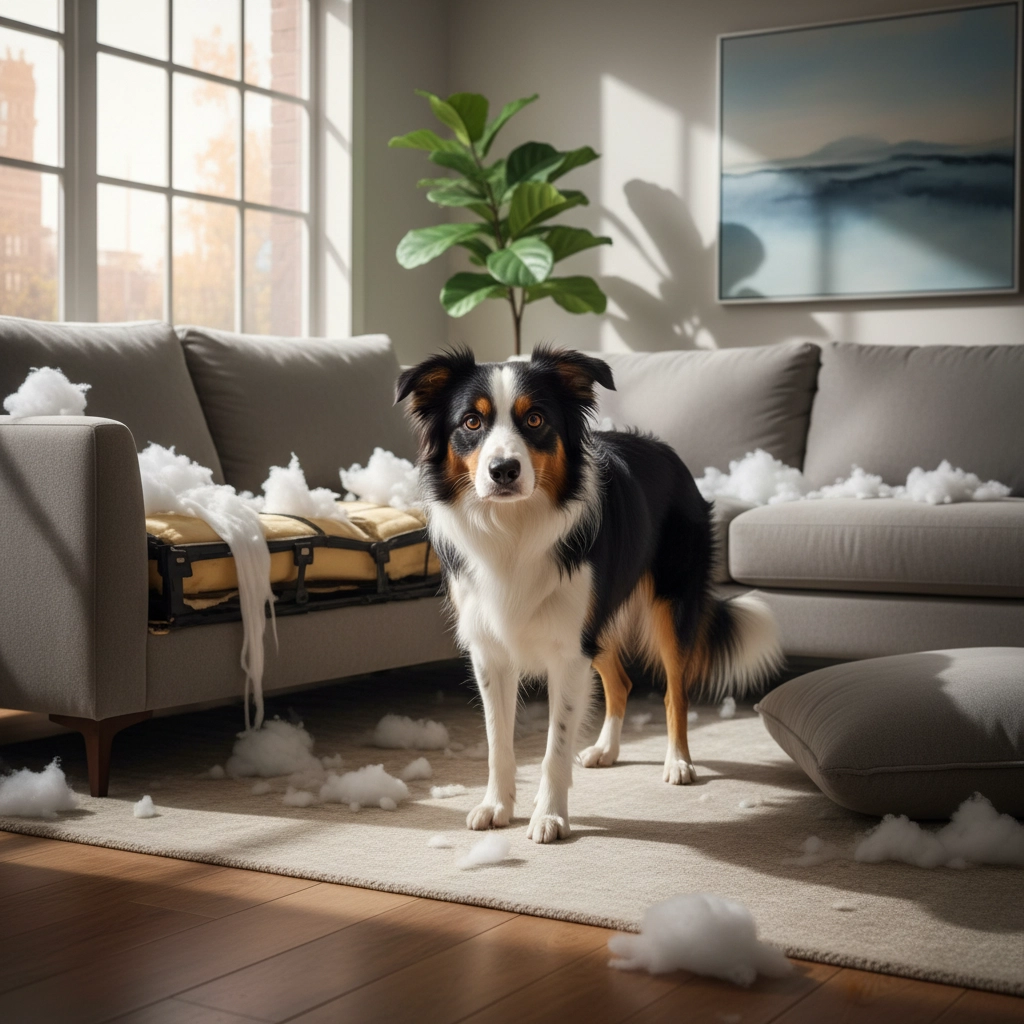
If you can identify and address these underlying causes, many "anxiety" behaviors resolve on their own. But if the behaviors continue even after you've eliminated obvious stressors, that's when you're likely dealing with genuine anxiety that needs professional help.
The Drama Queen Personality
Some dogs are just naturally more expressive and dramatic than others – and that's perfectly okay! Certain breeds and individual personalities tend to be more theatrical in their responses to everyday situations.
These dogs might:
Have big reactions to small changes
Be extra vocal about their opinions
Use body language strategically to get attention
Show preferences for routine and predictability
Be more sensitive to their family's emotions
The difference is that drama queen behavior is usually:
Situational and makes sense in context
Responsive to training and redirection
Not interfering with their basic needs like eating and sleeping
Something they can "turn off" when needed
When to Seek Professional Help
If you're still not sure whether you're dealing with anxiety or drama, it's always better to err on the side of caution and talk to your vet.
Definitely seek professional help if:
Multiple anxiety symptoms are happening regularly
The behaviors are getting worse over time
Your dog seems unable to relax or enjoy normal activities
The situation is affecting your dog's health (not eating, not sleeping)
You're concerned about your dog's quality of life
The behaviors are causing problems for your family
Your vet can help rule out medical causes and recommend appropriate treatment options, which might include behavior modification training, environmental changes, natural calming aids, or medication if needed.
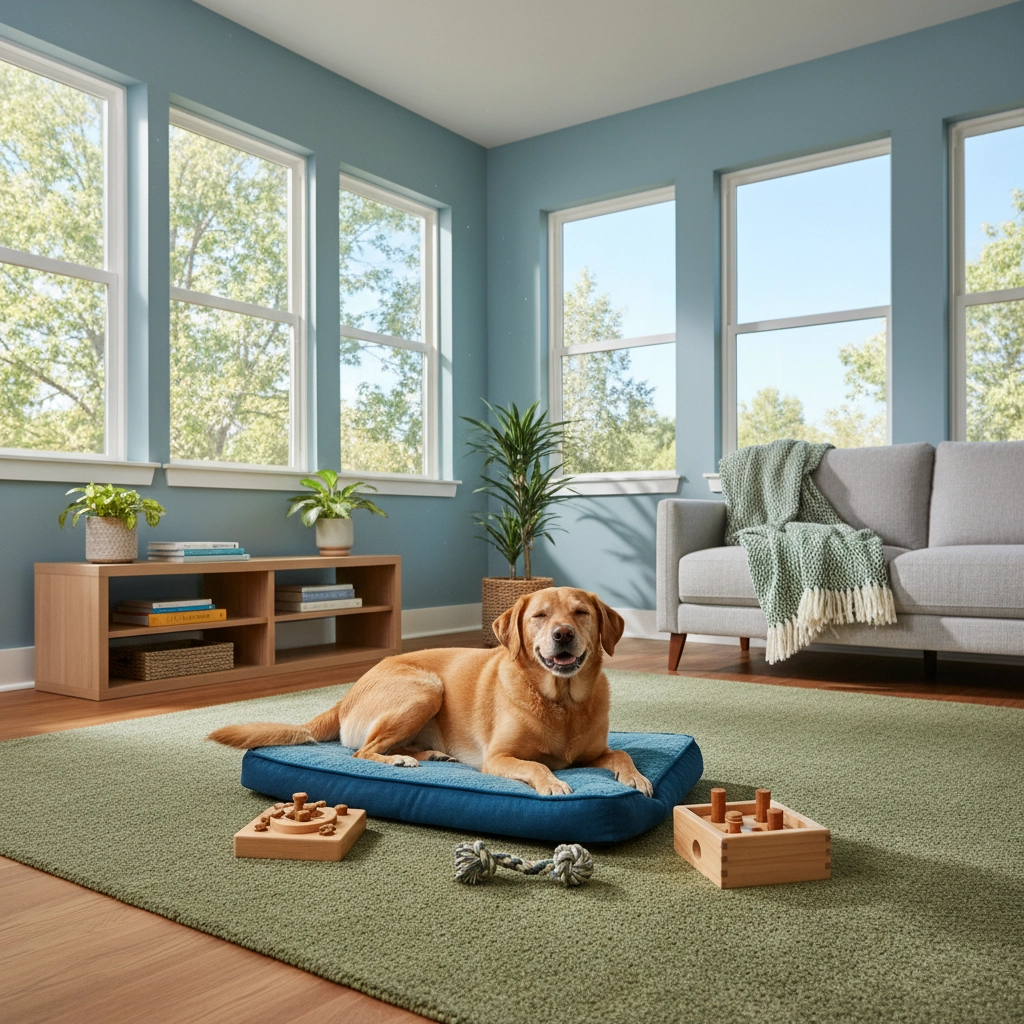
Remember, there's no shame in getting help for dog anxiety – just like humans, some dogs need extra support to feel their best. The sooner you address genuine anxiety, the better your dog's chances of learning to cope and getting back to being their happy, healthy self.
The bottom line? Trust your instincts as a dog parent. You know your dog better than anyone, and if something feels off, it's worth investigating. Whether you're dealing with a drama queen who needs some training tweaks or genuine anxiety that needs professional attention, understanding the difference helps you give your dog exactly the support they need.
Comments